Journal

Drive Style: The Satin Jacket, Driving Gloves and Raw Denim
The Driver says almost nothing and his clothes say all of it. Three pieces do the work — a satin bomber that catches light, gloves that give grip, and
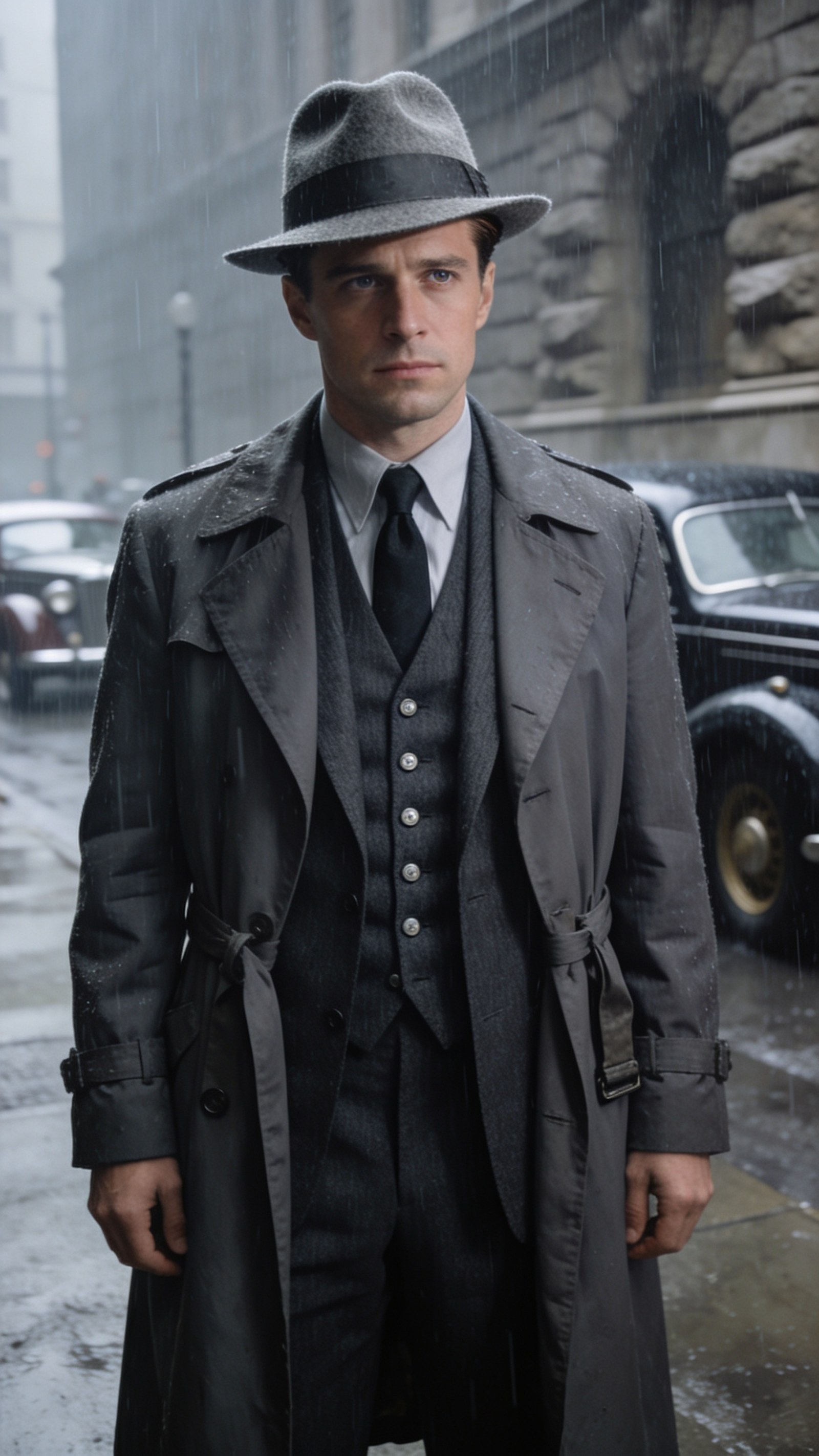
The Untouchables Style: The Fedora, the Waistcoat and the Trench Coat
Eliot Ness wins because he looks like the law before he says a word. Three pieces build that silhouette — a fedora, a wool waistcoat and a long belted
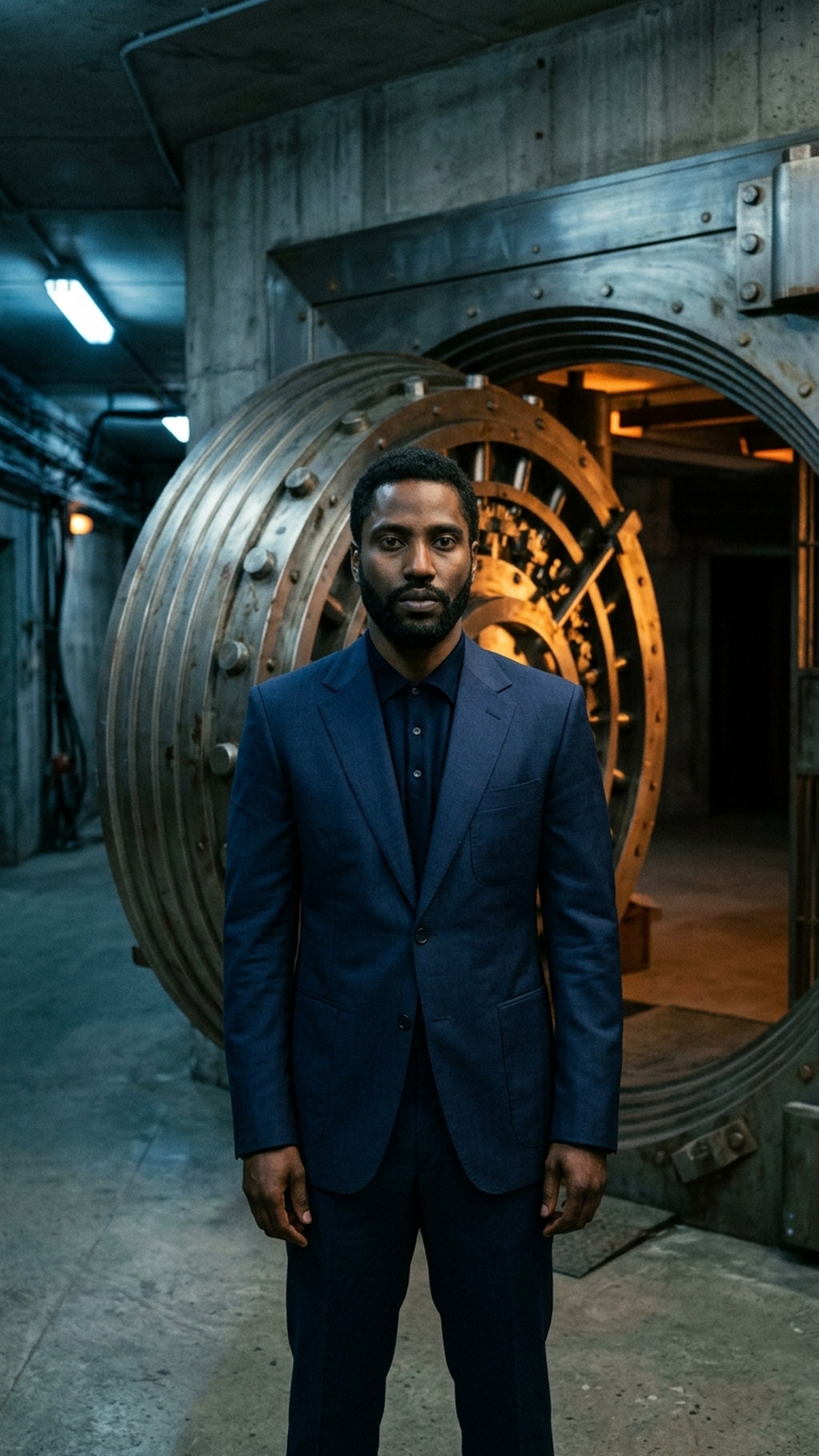
Tenet Style: The Soft Shoulder, the Open Collar and Cashmere
The Protagonist wears the least memorable suit in modern cinema, and that is the point. Three choices do it — a soft shoulder, an unbuttoned collar an
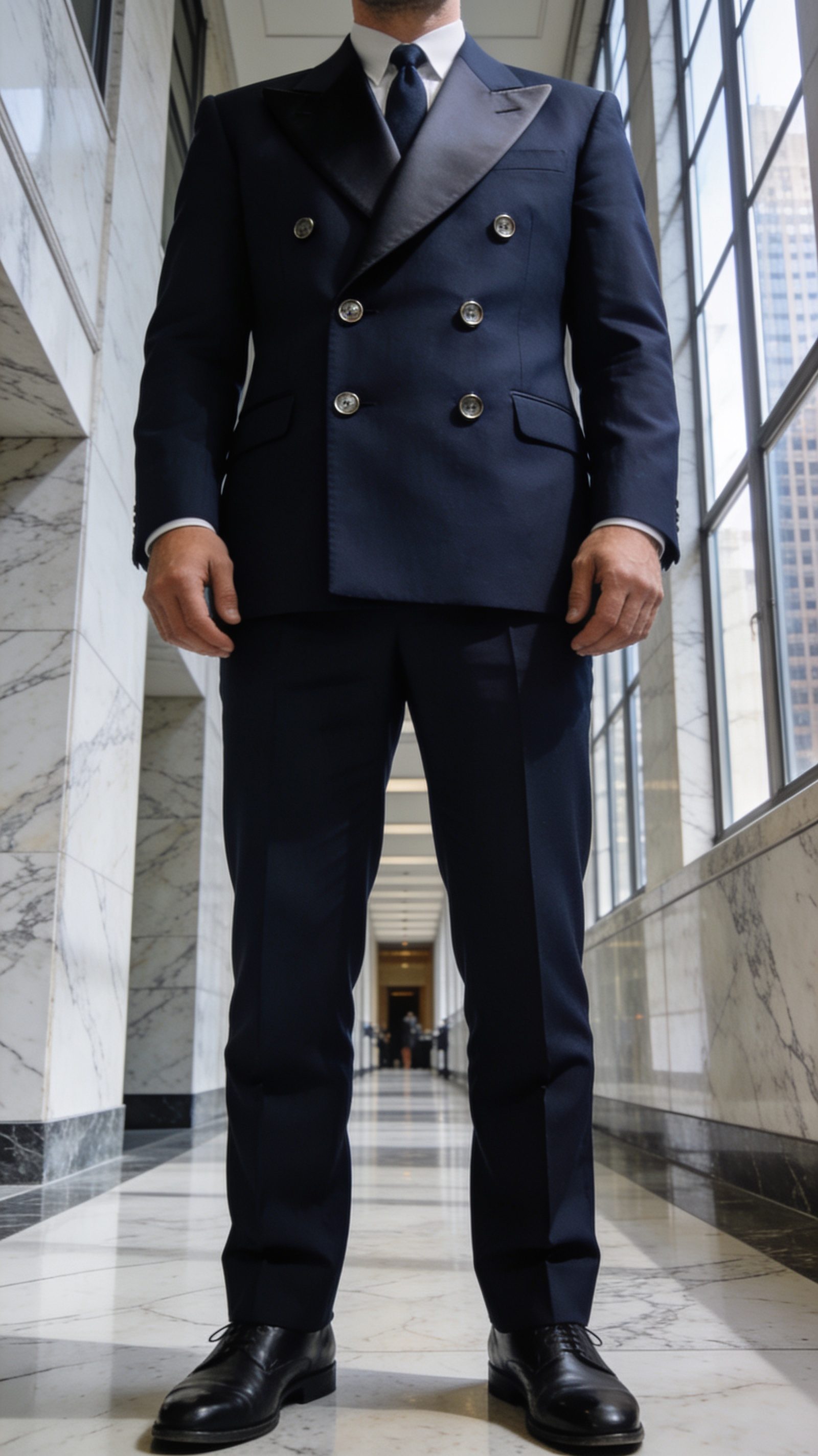
American Psycho Style: Double-Breasted Suits, Braces and Tortoiseshell
Patrick Bateman's wardrobe is the most disciplined in eighties cinema and it is worn as a disguise. Three pieces carry it — the double-breasted j
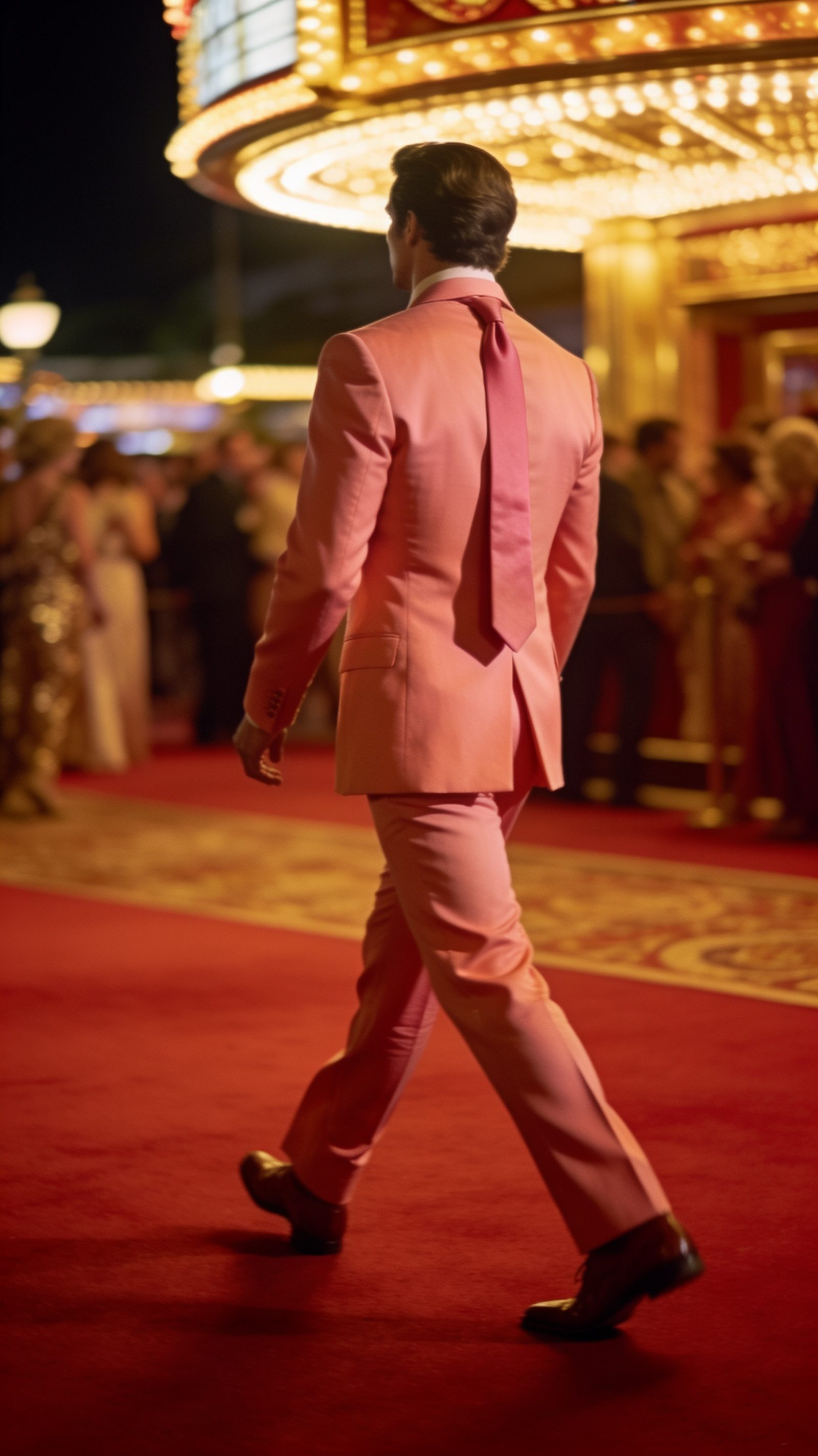
Casino Style: Pastel Suits, Tonal Ties and the Gold Watch
Ace Rothstein wears more than fifty pastel suits in Casino and none of them are an accident. Three ideas explain the look — pastel as a claim, a tonal
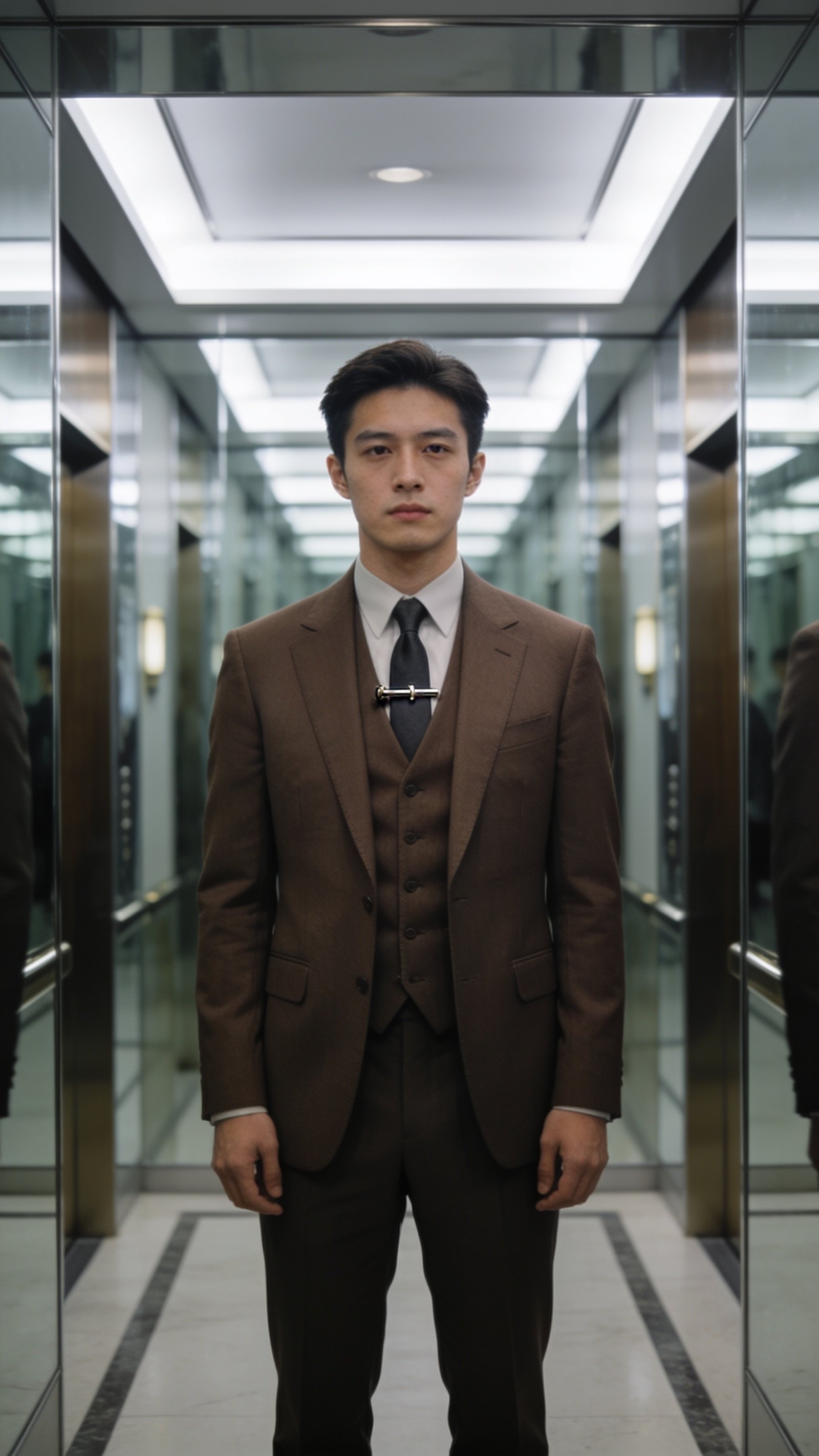
Inception Style: The Three-Piece Suit, the Waistcoat and the Tie Bar
Arthur is the best-dressed man in Inception and the quietest. Three pieces explain it — a buttoned waistcoat, a three-piece line and a tie bar. Here i
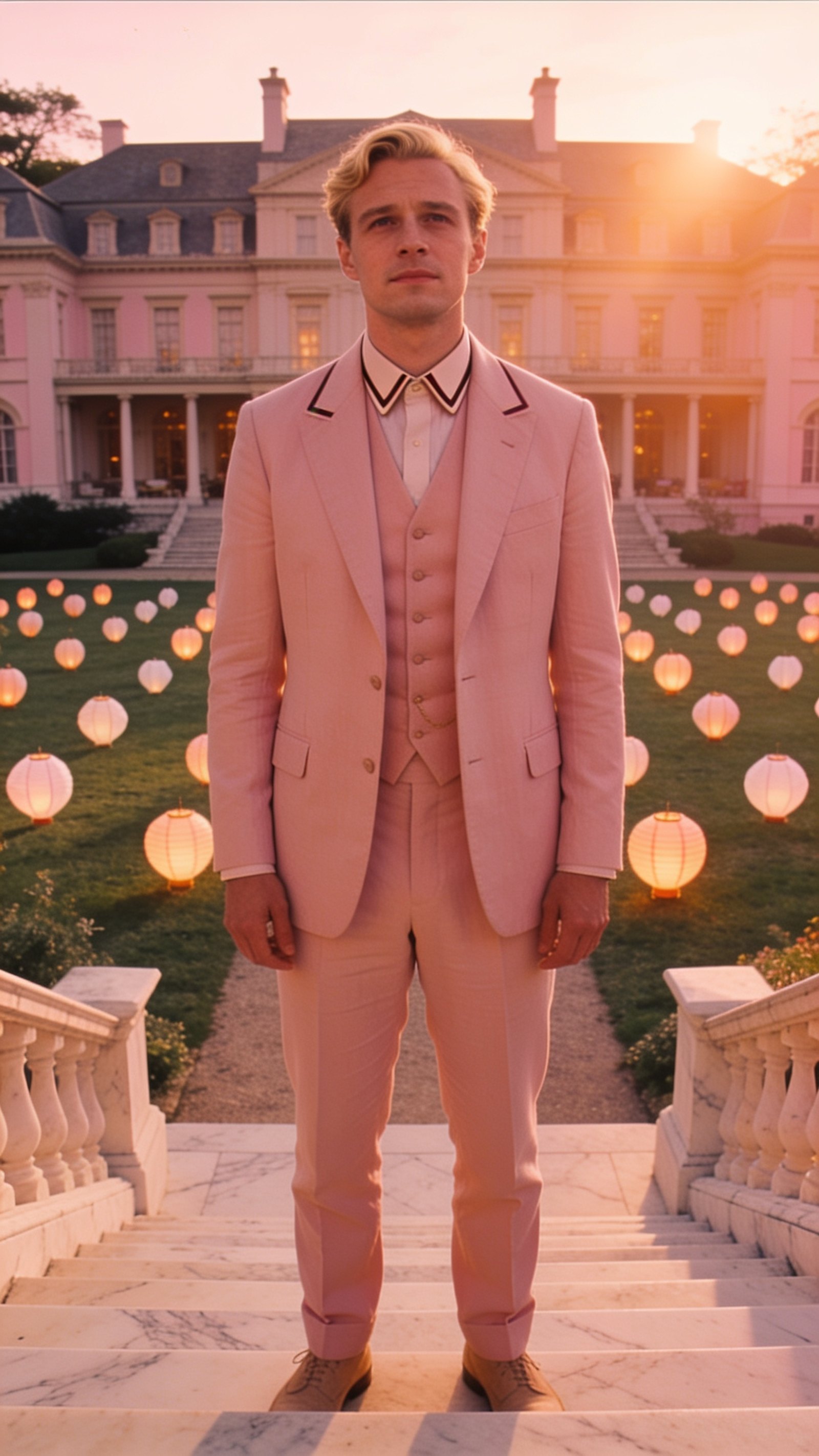
The Great Gatsby Style: Can a Man Wear a Pink Suit? Yes, Like This
Gatsby's pink suit is the most argued-about outfit in menswear cinema. Here is why it works on screen, when it works in life, and what to wear in

Goodfellas Style: The Camel Coat, the Silk Shirt and Why They Still Work
Henry Hill's wardrobe is loud on purpose. Strip out the excess and three pieces remain wearable now — a camel coat, a silk shirt and leather loaf

The Talented Mr. Ripley Style: Linen, Knit Polos and Borrowed Class
Tom Ripley dresses his way into a life that is not his. Here is what the linen, the knit polo and the heavy spectacles actually do, and how to wear th
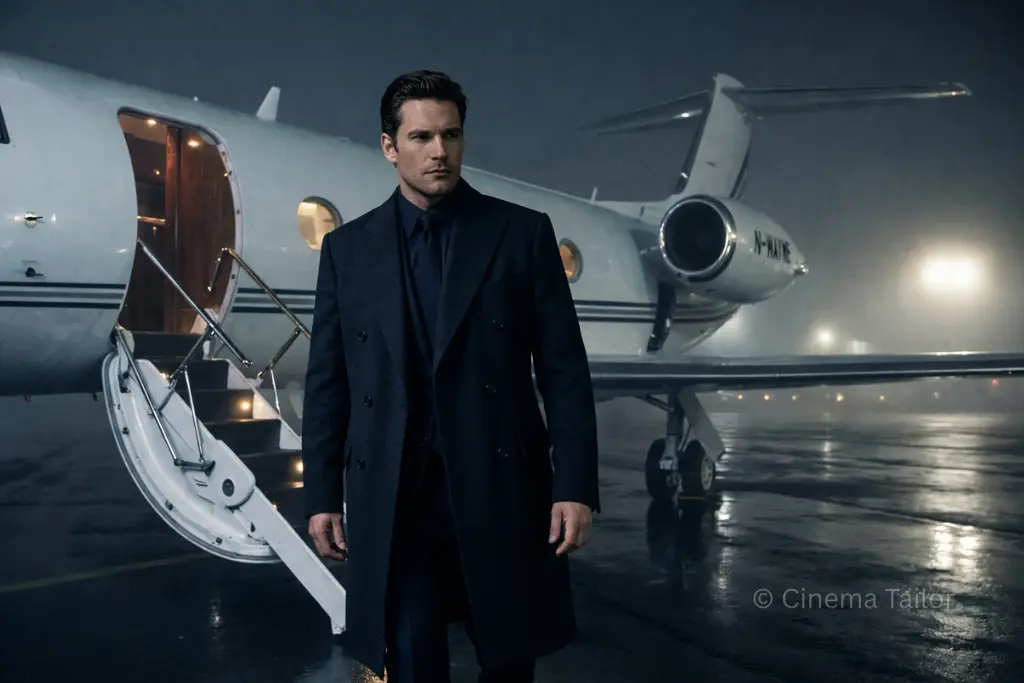
Stealth Wealth Dressing: The Bruce Wayne Rules
No logos, quiet colour, visible quality in cloth and fit. How quiet luxury actually reads, and where people get it wrong.
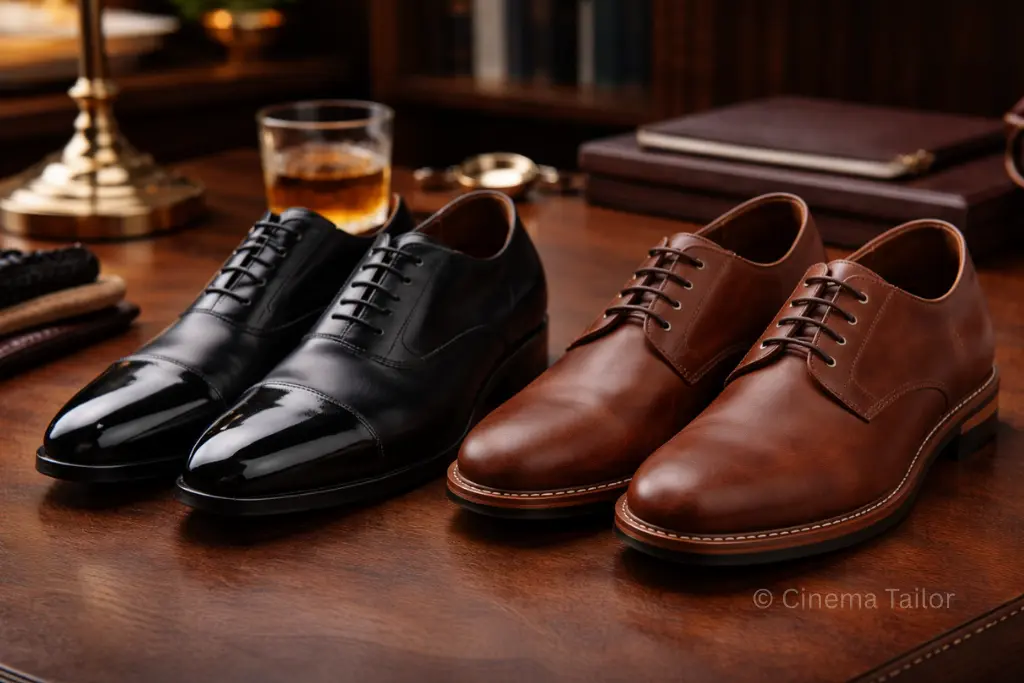
Black Oxford vs Brown Derby: Which Shoe, and When
Closed lacing versus open lacing, city versus country, suit versus separates — the rule that decides it in one look.
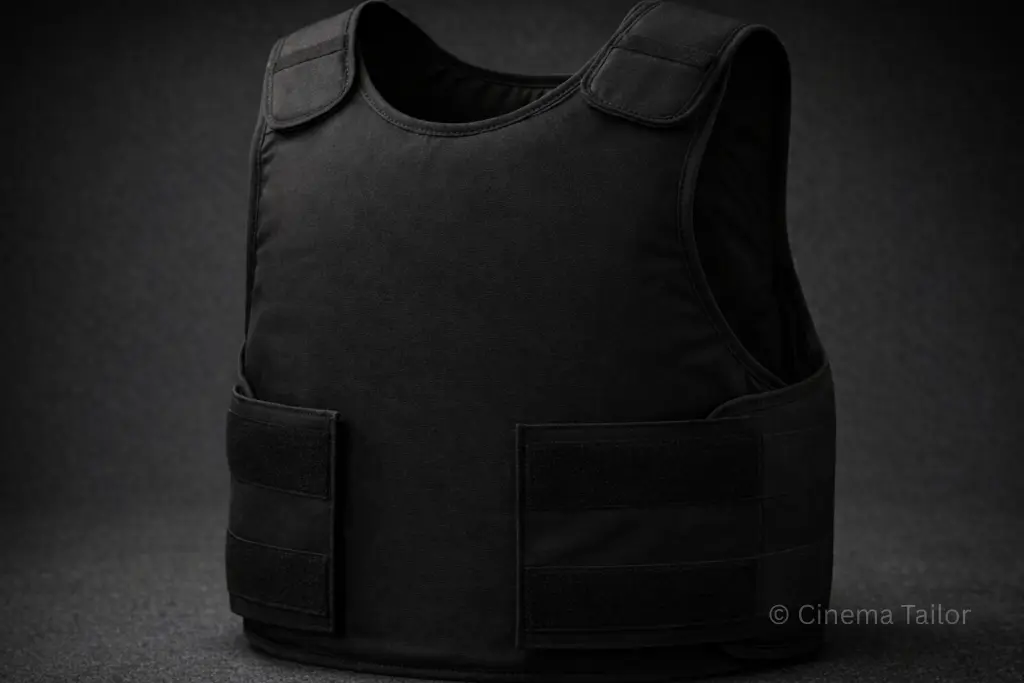
Dress Like It Matters: A Practical Guide to Protective Everyday Style
Cloth weight, layers and shoes you can actually move in — the everyday version of dressing for trouble.
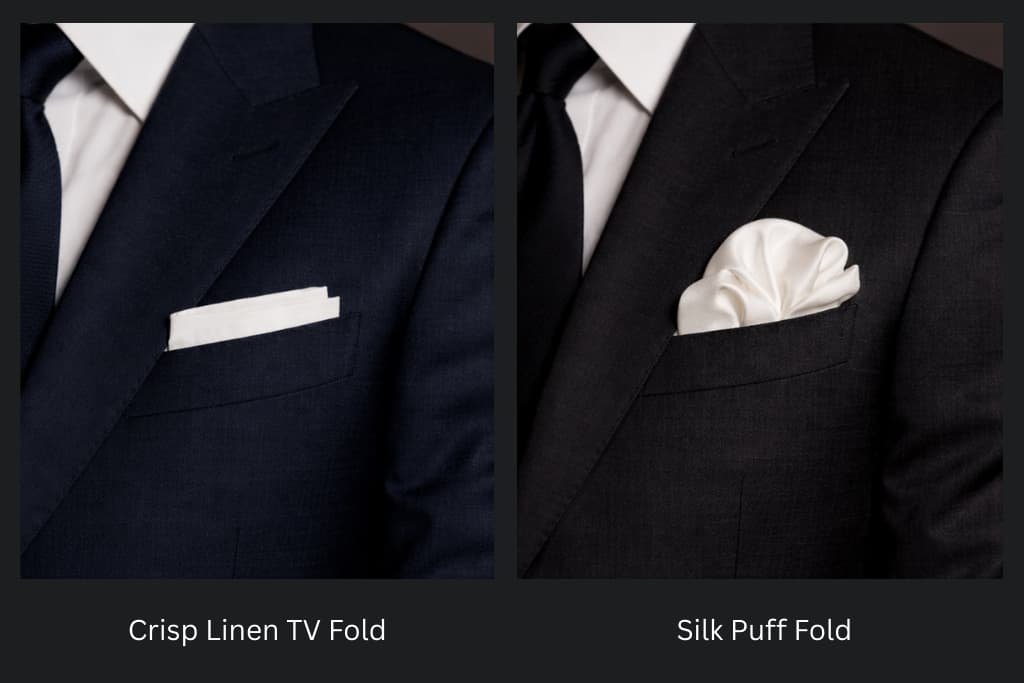
How to Fold a Pocket Square: The Bond (TV Fold) Method, Step by Step
The flat TV fold in four steps, when to wear white linen versus silk, and how much should show above the pocket.
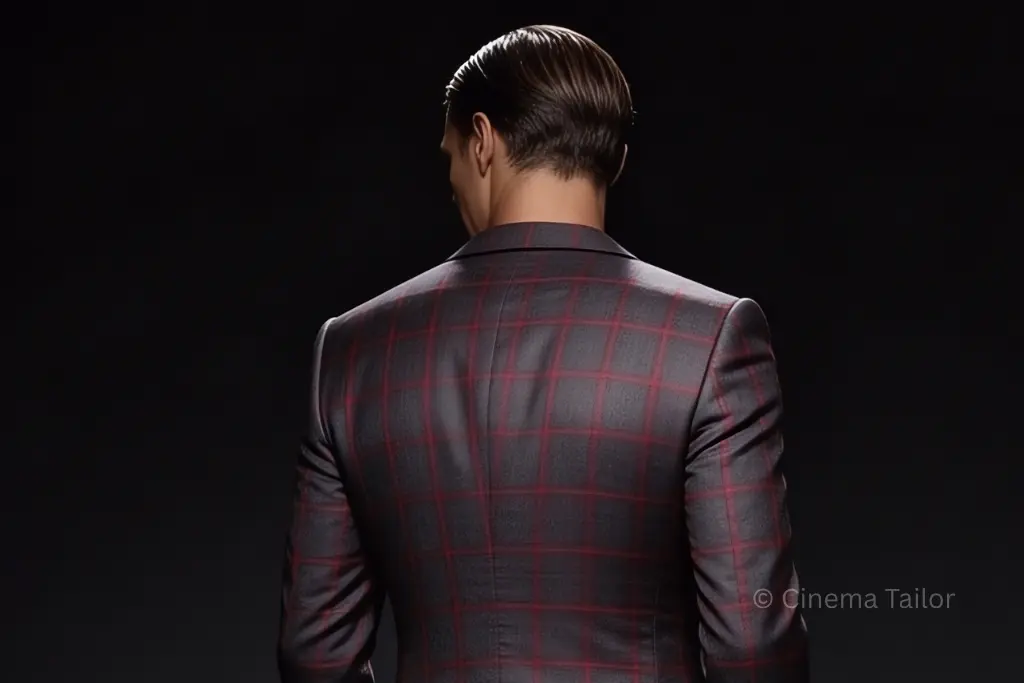
Hannibal Lecter's Suits: Why Perfect Tailoring Reads as Threat
Windowpane checks, high gorge and an unbroken silhouette — how Lecter's wardrobe turns politeness into pressure.

How to Wear a Tuxedo: The Rules That Still Matter
Peak or shawl lapel, black tie versus midnight blue, what to do with the shirt, studs and shoes — a plain checklist.

Dressing Well as You Age: Lessons from the Screen's Older Men
Softer structure, better cloth, fewer pieces — how the best-dressed older characters adjust, and why it works.
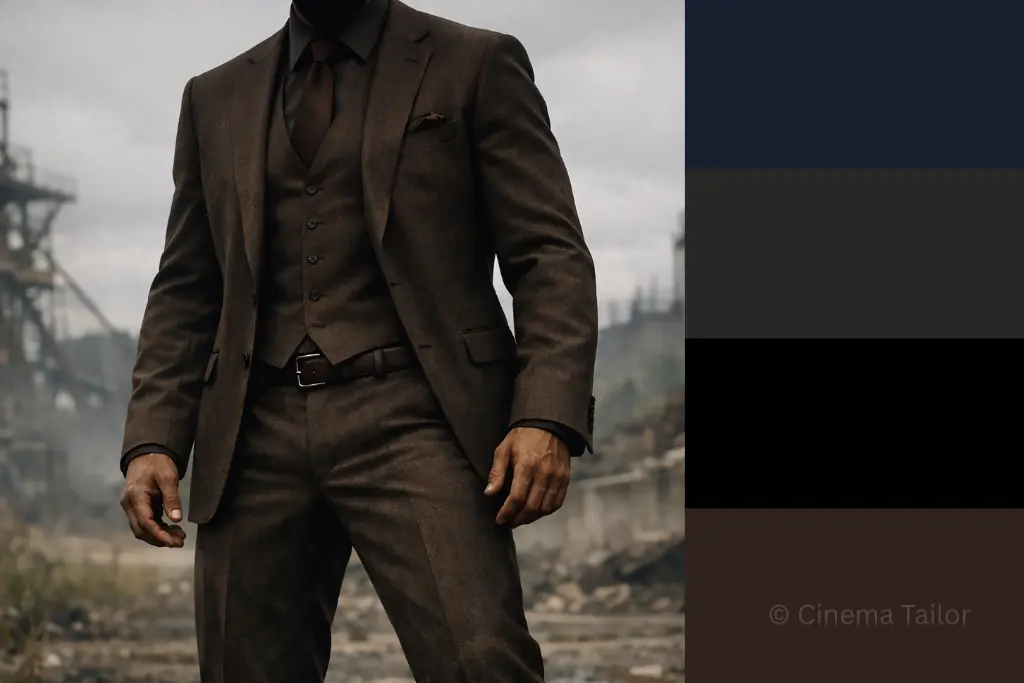
Why Film Villains Wear Grey: The Psychology of Suit Colour
What charcoal, navy, grey and black each signal on screen, and how directors use colour to tell you who holds power.
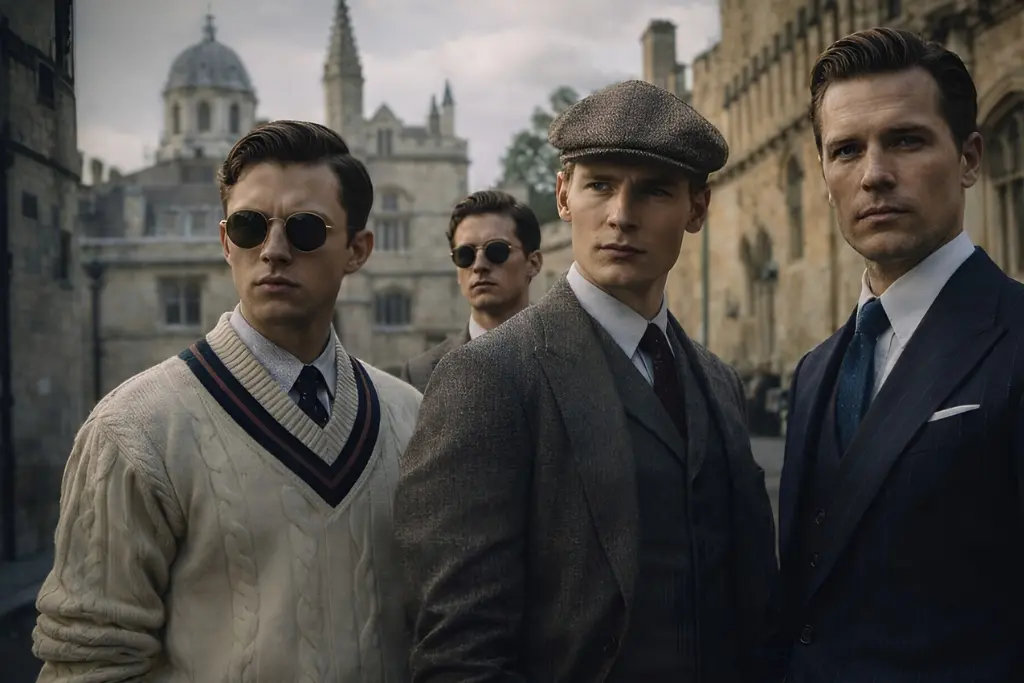
The Prep Bag: How the Oxford Satchel Became a Uniform
Where the prep-school bag came from, what leather and canvas each signal, and how to carry one with tailoring.
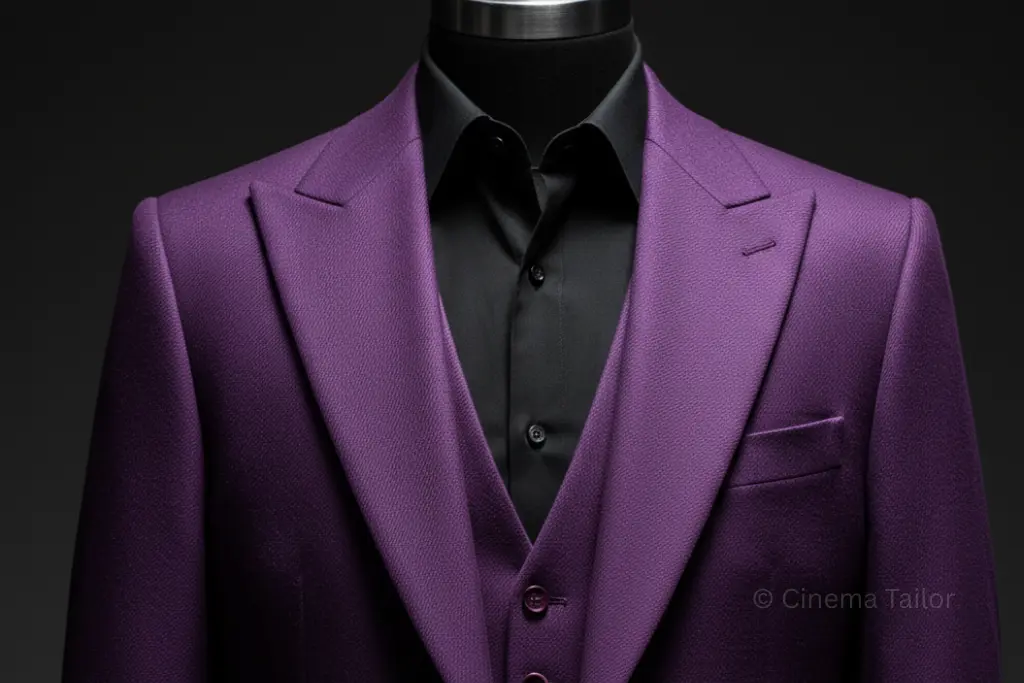
The John Wick Style Code: Why the Suit Works as Armour
Black-on-black, a soft Neapolitan shoulder and room to move. The four rules behind John Wick's tactical tailoring, and how to borrow them.

Academic Old Money Style: Tweed, Flannel and Worn-in Quality
What the academic version of old money actually consists of — cloth, colour and the things that must look used.
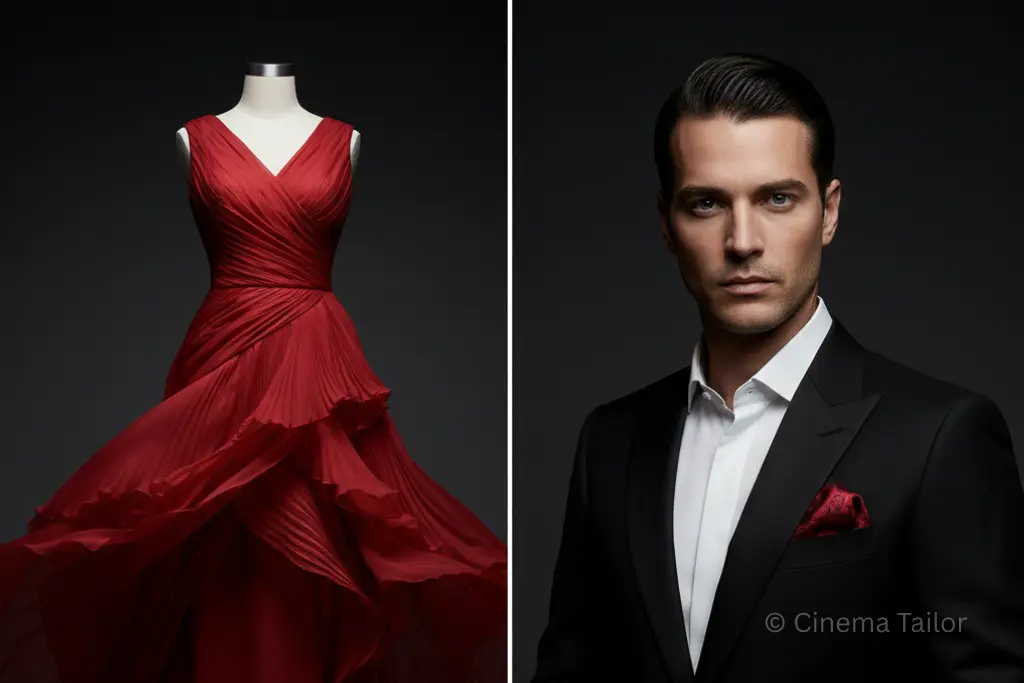
Valentino Garavani: The Cinema That Taught a Tailor to See
How film shaped Valentino's proportion, colour and drama — and what a man can take from it today.
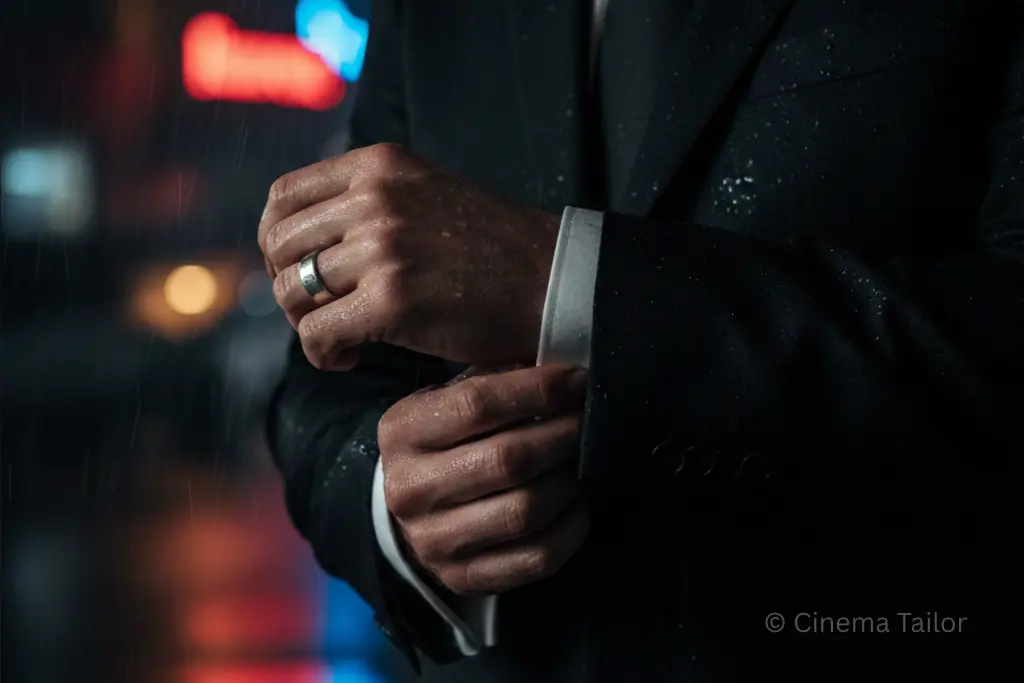
Surgeon's Cuffs: What Working Buttonholes Really Say
Why a functioning cuff marks a bespoke or made-to-measure jacket, when to leave one undone, and whether it is worth paying for.
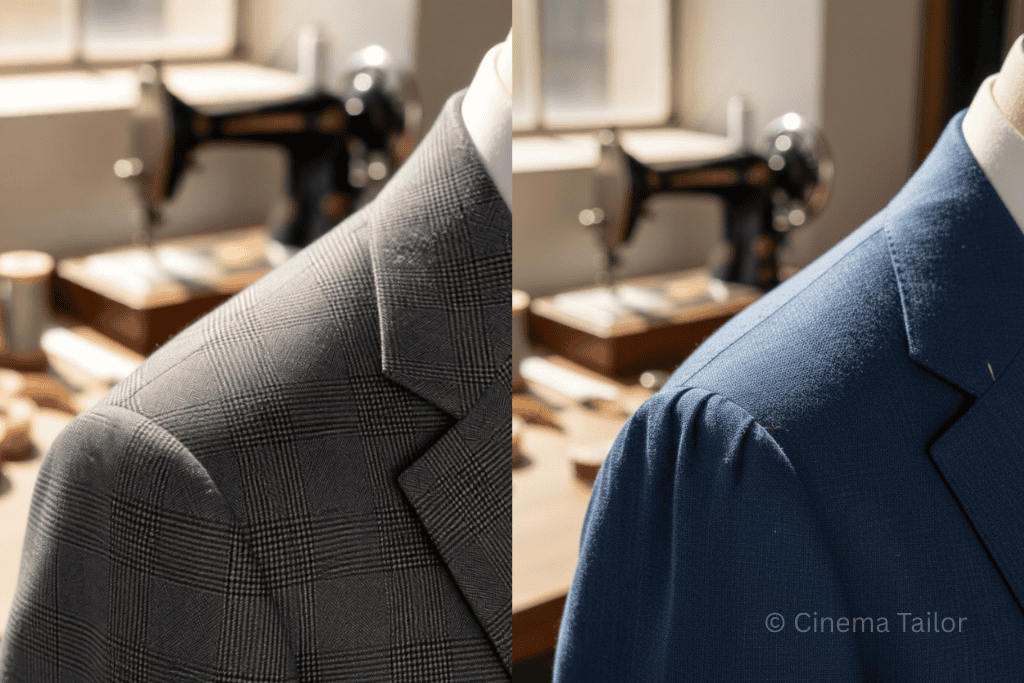
The Physics of the John Wick Suit: Neapolitan Cut for Movement
High armholes, a soft shoulder and a light canvas let the jacket move with the body. What tactical tailoring actually borrows from Naples.
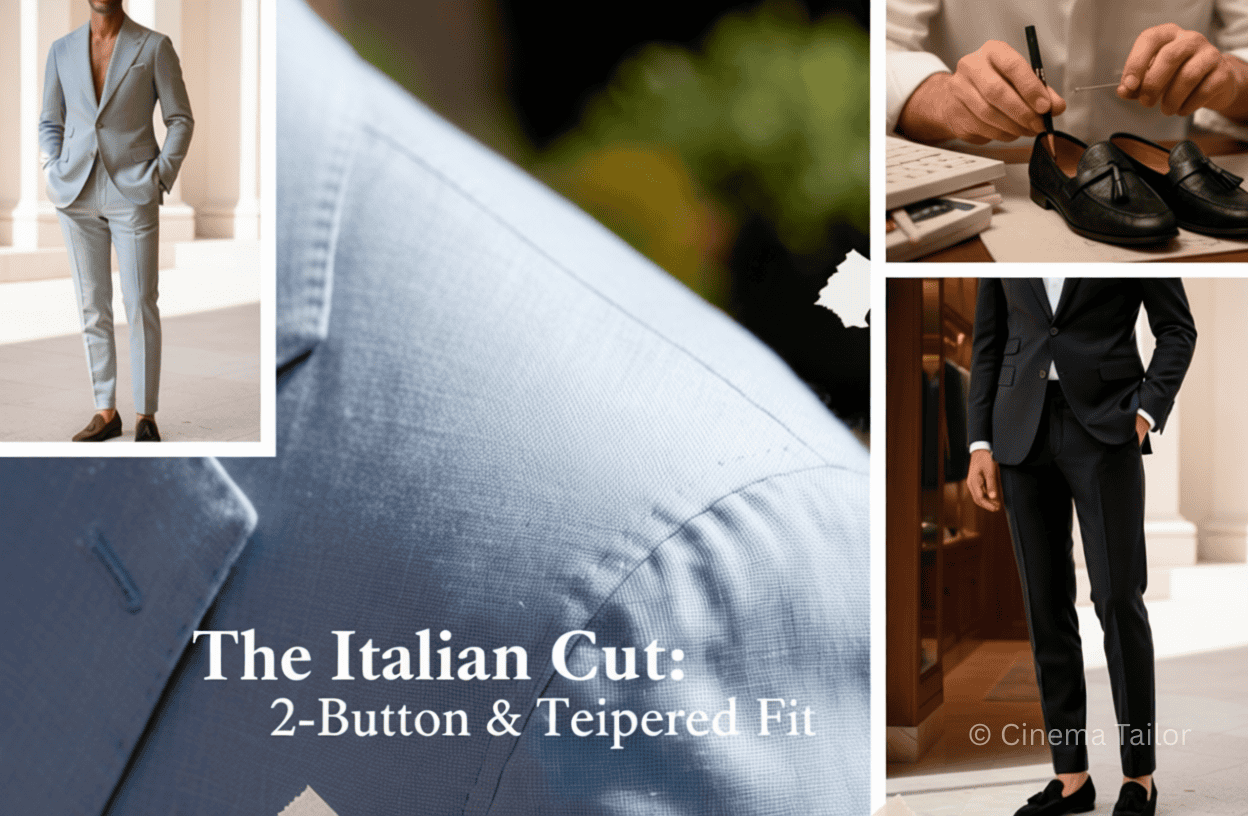
Italian Suit Style: Two Buttons, Soft Shoulder, Tapered Fit — Explained
What makes a suit read as Italian: a light shoulder, a two-button front, a shorter jacket and a tapered trouser. How to spot it and how to wear it.

Oxfords, Not Brogues: What Kingsman Really Means (And What to Buy)
An Oxford has closed lacing; brogues are the punched holes, not a shoe type. Here is what Harry Hart's line actually means and which shoe to buy instead.
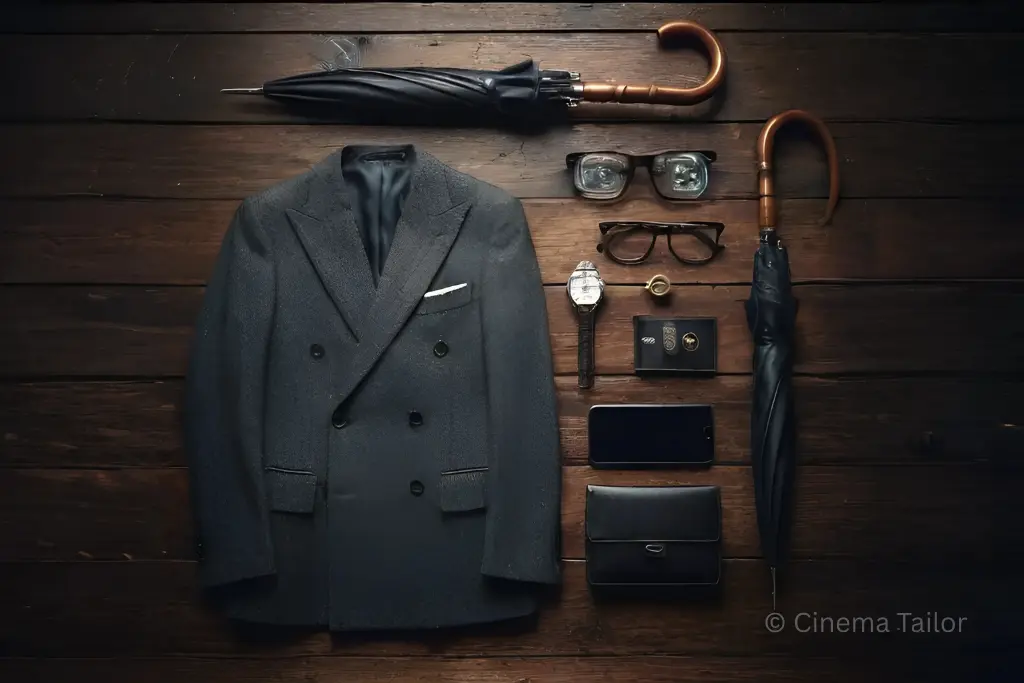
Kingsman Accessories: The Five Details That Carry the Look
Horn-rimmed glasses, a knitted tie, an umbrella, an Oxford and a white pocket square — what each one signals and how to choose it.
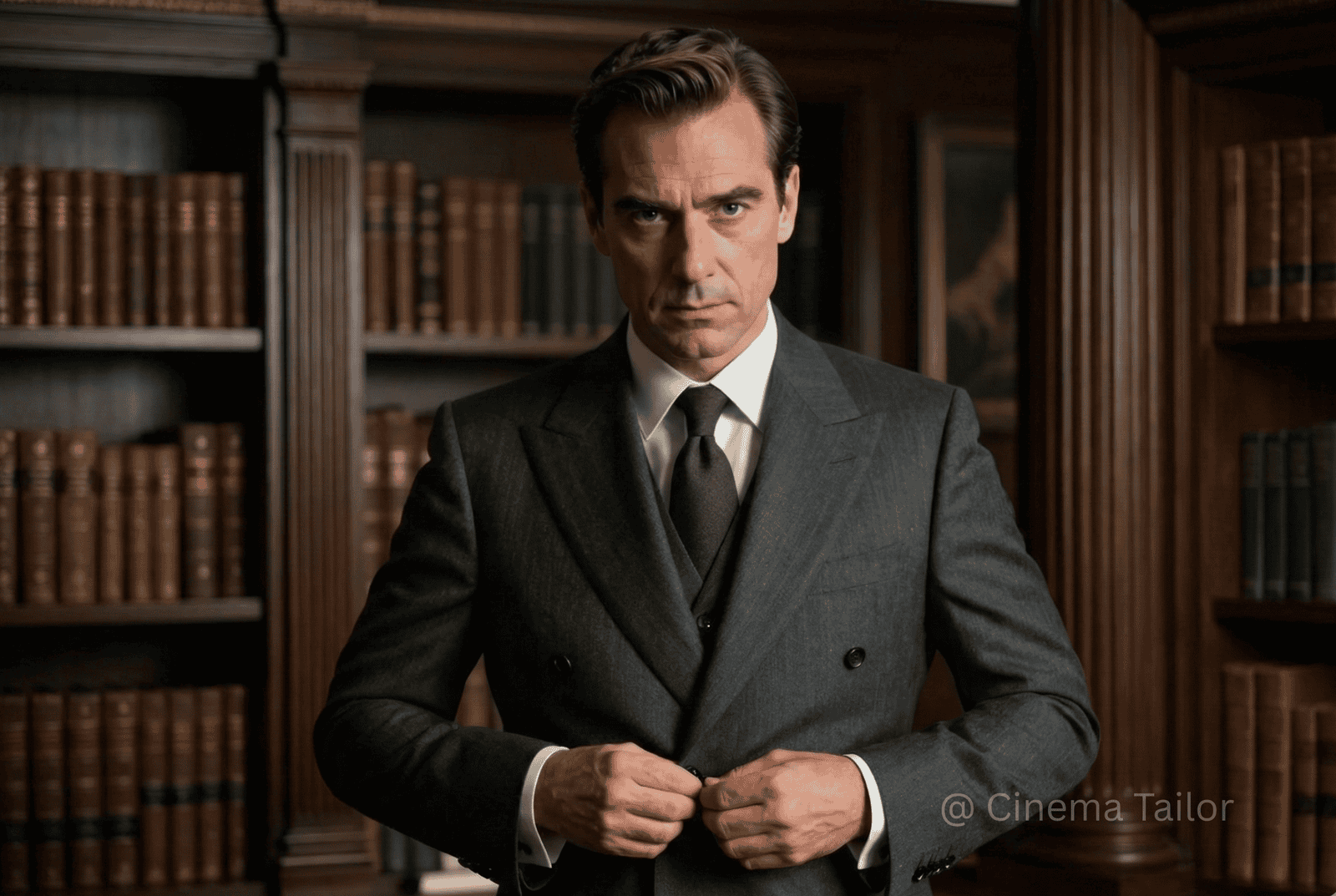
The Architecture of a Suit: Shoulder, Chest, Waist, Line
The four structural decisions that make a suit read as authority, and how each one changes the silhouette.

Is a Bulletproof Suit Real? What Kingsman Gets Wrong (and Right)
Armour panels, weight and movement — why a truly bullet-resistant suit cannot look like tailoring, and what the film gets right about fit.
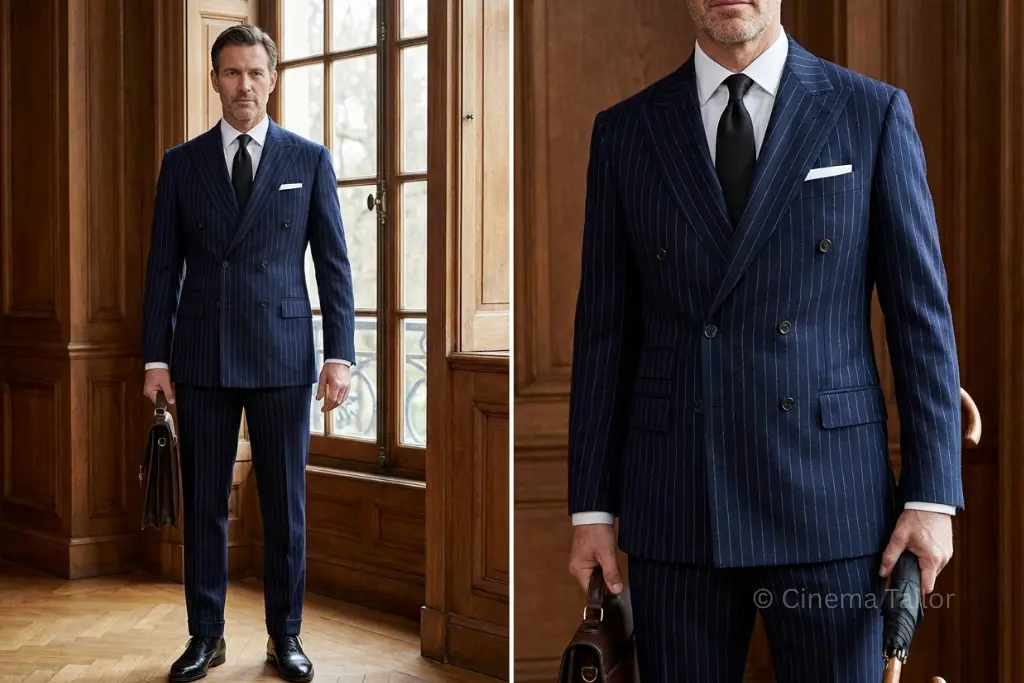
The Double-Breasted Suit: How It Builds a Wider, Harder Line
Why a double-breasted jacket squares the shoulders, which button stance suits which build, and the one rule about keeping it closed.