

Introduction: The Convergence of Wealth and Wisdom in a Volatile Era
I started noticing a pattern long before “Academic Old Money” became a label. In conversations with executives, creatives, and even in my own day-to-day work, the same shift kept surfacing: men were no longer chasing luxury that merely looks expensive—they were chasing presence that feels earned.
In the volatile landscape of 2026, where digital assets fluctuate and AI reshapes our daily reality, the global elite are turning toward something immutable: the fusion of Old Money elegance and Dark Academia intellect. We call this the rise of the Intellectual Alpha. At Cinema Tailor, we observe that the modern man is no longer satisfied with the silent, often hollow luxury of his predecessors. Instead, he demands a wardrobe that narrates his intellectual journey, one that bridges the gap between the boardroom and the library.
This aesthetic transition is a response to a world in flux. While ‘Old Money’ provides the structural foundation of generational stability, ‘Dark Academia’ adds the necessary layer of curiosity, grit, and existential depth. Together, they create a cinematic presence that commands respect not through loud, gaudy logos, but through what we call the “Architecture of Authority.” This article explores how this hybrid trend is reshaping global masculinity and how you can curate this look using cinematic inspirations.

The DNA of Academic Old Money: Decoding the Aesthetic
The Old Money Pillar: The Art of Invisible Luxury
Old Money is the fashion of the “Quiet Luxury” movement, epitomized by the timeless grace of Cary Grant or the modern-day Roy family in Succession. It is defined by impeccable tailoring and the highest quality natural fibers—cashmere, vicuña, and high-twist wool. The power of Old Money lies in its invisibility; it doesn’t shout for attention, it assumes it as a birthright. In the context of 2026, this translates to perfectly fitted navy blazers and cream-colored knitwear that suggest a life free from the desperate hustle of the nouveau riche.
The Dark Academia Pillar: The Romanticism of the Scholar
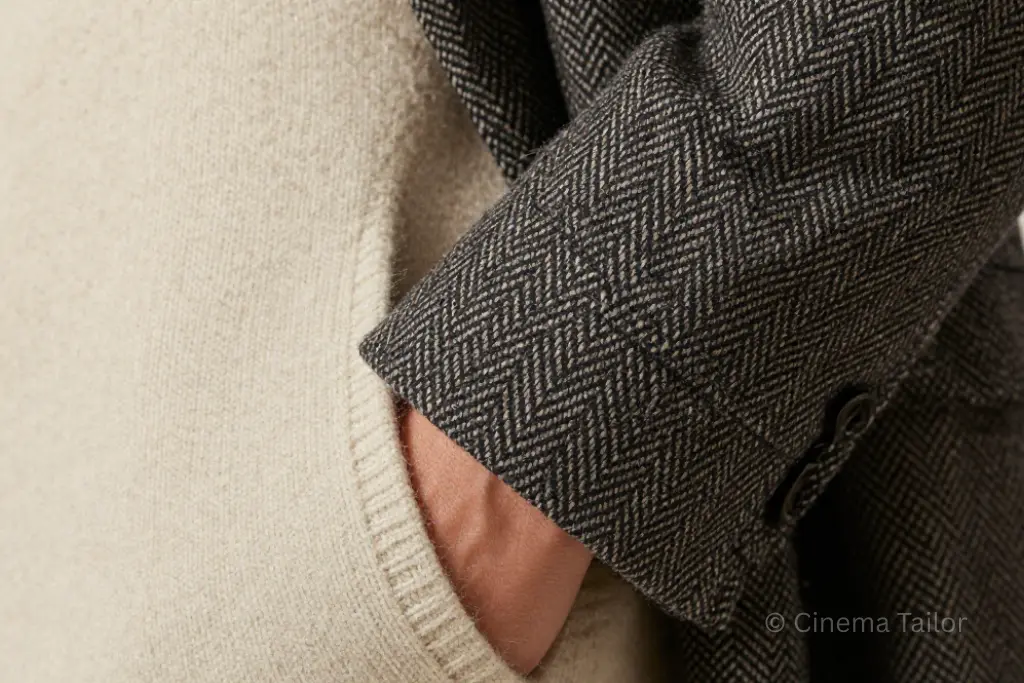
Dark Academia is the moody, gothic cousin of Ivy League style. Inspired by the hauntingly beautiful halls of Oxford and the melancholic pursuit of knowledge, it embraces a more textured and shadowed approach to dressing. It favors heavy fabrics like herringbone tweed, corduroy, and boiled wool. The color palette shifts from the neutrals of Old Money to the “Scholarly Earth Tones”—forest greens, deep burgundies, and ink blacks. It is the style of a man who values the weight of a first-edition book as much as the weight of his winter coat.
James’s Perspective
What I find most telling about “Academic Old Money” is that it isn’t a costume—it’s a calibration. In environments where everyone has access to the same tools, the differentiator becomes taste, restraint, and intellectual gravity. When a man dresses like he belongs in both the boardroom and the library, he signals that his authority is built on competence, not noise.
Cinematic Icons: Shaping the Narrative of the Modern Gentleman
Paul Mescal and the ‘Hamnet’ Revolution
The most significant cultural catalyst for this trend in 2026 is undoubtedly Paul Mescal’s performance in the cinematic adaptation of Hamnet. Mescal’s portrayal of a young, brooding intellectual—a proto-Shakespeare—has redefined masculine grace for a new generation. His character’s wardrobe is a masterclass in “Academic Heritage.”
By featuring structured period vests made of rugged wool paired with relaxed, high-collared linen shirts, the film bridges the gap between 16th-century craftsmanship and 21st-century bespoke tailoring. It teaches us that a garment should look as though it has a history, an “earned” texture that reflects the mind of the wearer. For the Cinema Tailor client, the “Mescal Effect” means opting for fabrics that age gracefully, developing a patina of wisdom over time.
The Talented Mr. Ripley: A Lesson in Style and Subterfuge
We cannot discuss the Intellectual Alpha without revisiting the sartorial masterpiece that is Anthony Minghella’s The Talented Mr. Ripley. While Jude Law’s Dickie Greenleaf represents the peak of sunny, Mediterranean Old Money—linen shirts and knit polos—it is the evolution of Tom Ripley that captures the “Academic” side of the coin.
Ripley’s transformation involves the strategic use of velvet jackets, corduroy trousers, and thick-rimmed glasses to project an aura of intellectual belonging. This film serves as a reminder that clothes are a tool for transformation and a medium for storytelling. In 2026, we are seeing a return to Ripley’s “East Coast Intellectual” vibe, but with the refined polish of Greenleaf’s tailoring.
The Strategy of the ‘Architecture of Authority’
Layering: The Intellectual’s Armor
The transition from winter to spring in 2026 requires strategic layering. A Cinema Tailor favorite is the “Tweed-on-Turtleneck” combo. The smooth cashmere turtleneck (representing the comfort of Old Money) provides a base of refinement, while the structured tweed blazer (representing the grit of Dark Academia) provides the silhouette of a leader. This is not just fashion; it is psychological warfare. It tells the world you are both refined and resilient—a man who can navigate a gala as easily as a storm.
The Structured Overcoat: A Noir Silhouette
The final layer of the Intellectual Alpha is the structured charcoal overcoat. Taking inspiration from classic noir cinema, a coat with a strong, architectural shoulder line provides an immediate sense of gravity. In an era where the world feels uncertain, your physical silhouette should remain firm. This coat acts as a shield, a piece of “wearable architecture” that protects the scholar within.

Conclusion: Curating Your Own Legend
In an era of fleeting digital trends and fast fashion, the Academic Old Money aesthetic offers a return to substance. It is a style for the man who values the weight of a book, the history of a fabric, and the precision of a bespoke fit. Whether you are inspired by the hallowed halls of Oxford or the sun-drenched shores of Italy, remember that your wardrobe is the visual prologue to your personal story.
In my experience, the men who leave the strongest impression rarely try to look impressive. They build consistency—of thinking, of behavior, and of presentation. That is why this aesthetic matters in 2026: it rewards restraint, clarity, and depth in a world optimized for speed and spectacle.
At Cinema Tailor, we don’t just dress you for the day; we dress you for history. Embrace the Intellectual Alpha within. The library is open, the lights are dimmed, and the world is watching your next move. Build your authority, one stitch at a time.

James is a UI software expert with over 20 years of experience in the IT industry.
He is the editor of Cinema Tailor, where he analyzes cinematic style and visual storytelling through a structured, system-level perspective.